

What is the Schengen Travel Area?
Unlocking Borders: Understanding the Schengen Travel Area
In a world where borders often define the limits of movement, the Schengen Travel Area is an example of freedom of movement and connectivity. Comprised of 26 European countries and four micro-states, the Schengen agreement revolutionized travel by doing away with traditional border controls and facilitating seamless movement across its member states. Its common visa policy allows tourists, students and business professionals to bypass border control at each country’s borders after they have gone through the initial customs border process of their Schengen entry country. For instance, if you go through the border control of France, your entry country, you do not have to go through any other border controls if you travel to other Schengen countries like Germany or Italy.
How does the Schengen Travel Area function?
Schengen Travel Area Origins and Evolution
The 1985 Schengen Agreement, signed in Schengen Luxembourg, sowed the seeds of the Schengen Area. Initially comprising just five countries—Belgium, France, Germany, Luxembourg, and the Netherlands—this agreement laid the groundwork for gradually abolishing internal borders. Over time, the Schengen Area expanded, encompassing more European nations eager to embrace the principles of free movement.
Schengen Agrement's Fundamental Principles
At its core, the Schengen Area operates on the principle of open borders within its member states. Once travelers enter this zone, they can journey from one country to another without encountering border checks or passport controls. This seamless mobility fosters economic integration, cultural exchange, and tourism, enriching the fabric of Europe and promoting closer ties between nations.
Schengen Area's Internal Security
While the Schengen Area dismantles internal barriers, it simultaneously strengthens external borders. Member states collaborate closely to fortify the zone’s perimeter, employing advanced technology, coordinated patrols, and intelligence-sharing mechanisms to safeguard against threats such as terrorism, organized crime, and illegal immigration. By pooling resources and expertise, they create a robust defense shield that preserves the integrity of the Schengen Area.
Schengen Travel Area's Visa Policy
One of the Schengen Agreement’s hallmarks is its common visa policy. Visitors from countries outside the Schengen Area can obtain a single Schengen visa, which grants them access to all member states for a specified period. This simplifies travel logistics for tourists, business professionals, and students, eliminating the need to navigate disparate visa requirements for each destination.
Schengen Travel Area's Countries
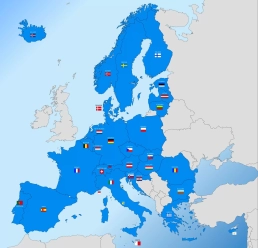
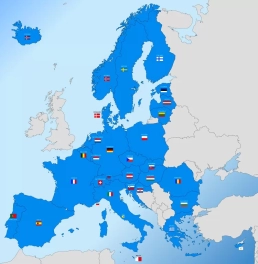
The Schengen Area’s member countries include Austria, Belgium, Czech Republic, Denmark, Estonia, Finland, France, Germany, Greece, Hungary, Iceland, Italy, Latvia, Lithuania, Luxembourg, Malta, Netherlands, Norway, Poland, Portugal, Slovakia, Slovenia, Spain, Sweden, and Switzerland as well as the microstates of Liechtenstein, Monaco, San Marino and Vatican City